
Music Therapy
That Meets Your Child Where They Are
At REConnections® DIR® Center, our board-certified music therapists use the power of music to build communication, regulation, and connection, in a way that feels joyful, safe, and entirely individualized. Serving children and young adults from birth to 21 in Trinity and the greater Tampa Bay area.
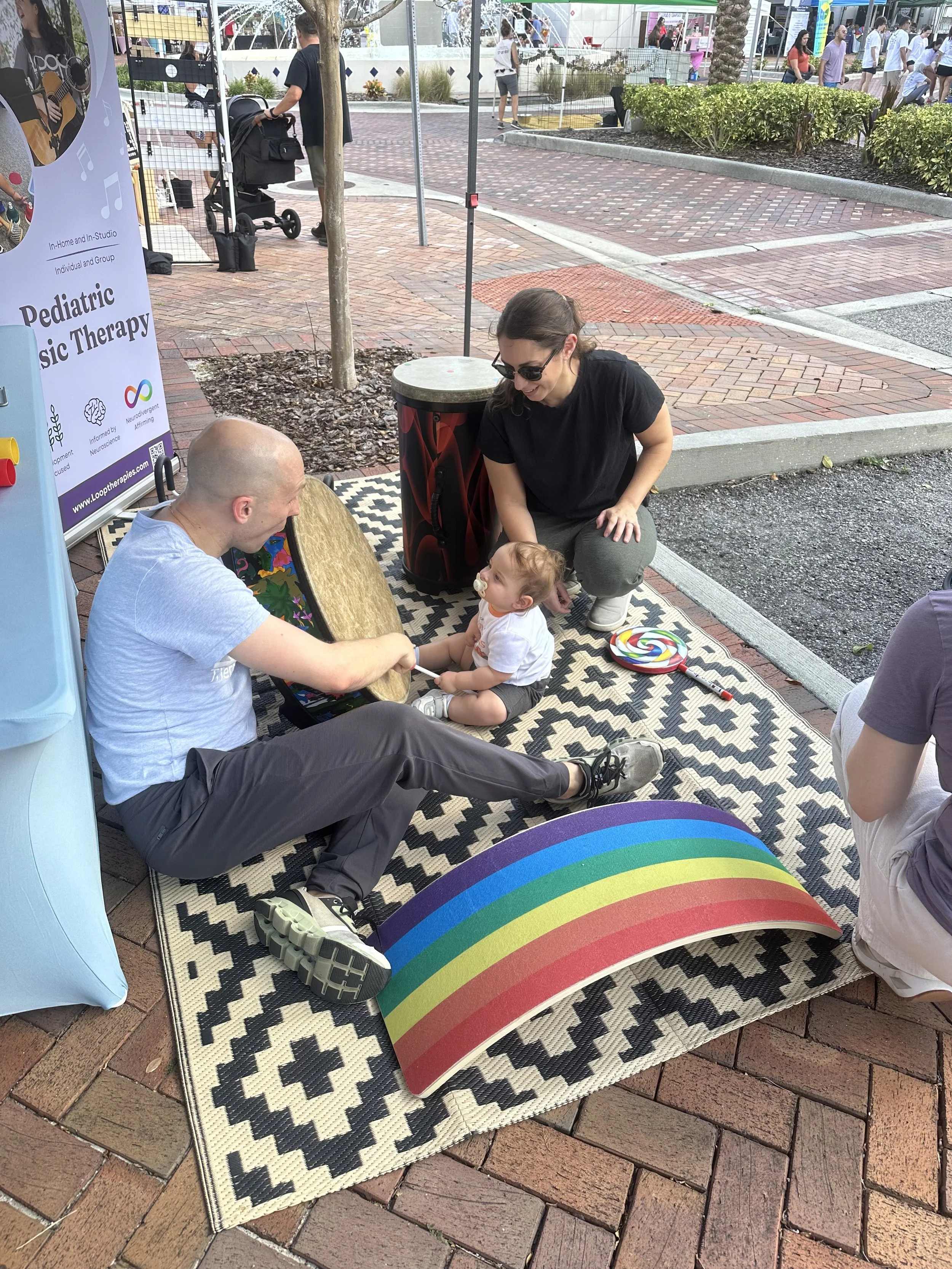
What is Music Therapy?
Music therapy is the clinical, evidence-based use of music interventions to accomplish individualized therapeutic goals within a therapeutic relationship by a credentialed professional. It is a research-supported clinical discipline that uses music as a therapeutic tool to address communication, regulation, social engagement, motor skills, emotional expression, and more.
Music therapy sessions are tailored to fit the needs of each child. Our music therapists are trained to assess, set individualized therapeutic goals, and to create music based experiences that meet those goals.
At REConnections® DIR® Center, all music therapy services are provided by Board Certified Music Therapists (MT-BCs) who have completed an approved music therapy degree program, clinical internship, and national board certification exam.

Our Approach
At REConnections® DIR® Center, music therapy is grounded in the DIRFloortime® framework — the same relationship-based, neurodiversity-affirming model that runs through everything we do.
Our music therapists assess each client's social-emotional development using the Functional Emotional Developmental Capacities (FEDCs) developed by Dr. Stanley Greenspan. This framework helps us understand where each child is developmentally — not in comparison to a neurotypical standard, but on their own unique developmental path.
Sessions are built around three core principles:
Developmental: We meet each child at their current developmental level and build from there, at their own pace.
Individual Differences: Every client is unique in their interests, sensory profile, communication style, and family context. We take all of these into account in every session.
Relationship: We join our clients where they are, establish safety and trust, and create growth within a therapeutic relationship built on respect and joy.
Our music therapists are also trained in Neurologic Music Therapy — a specialized, neuroscience-based framework that expands the clinical tools available to address each client's individual developmental needs within the context of the same relationship-centered sessions.


Could My Child Benefit From Music Therapy?

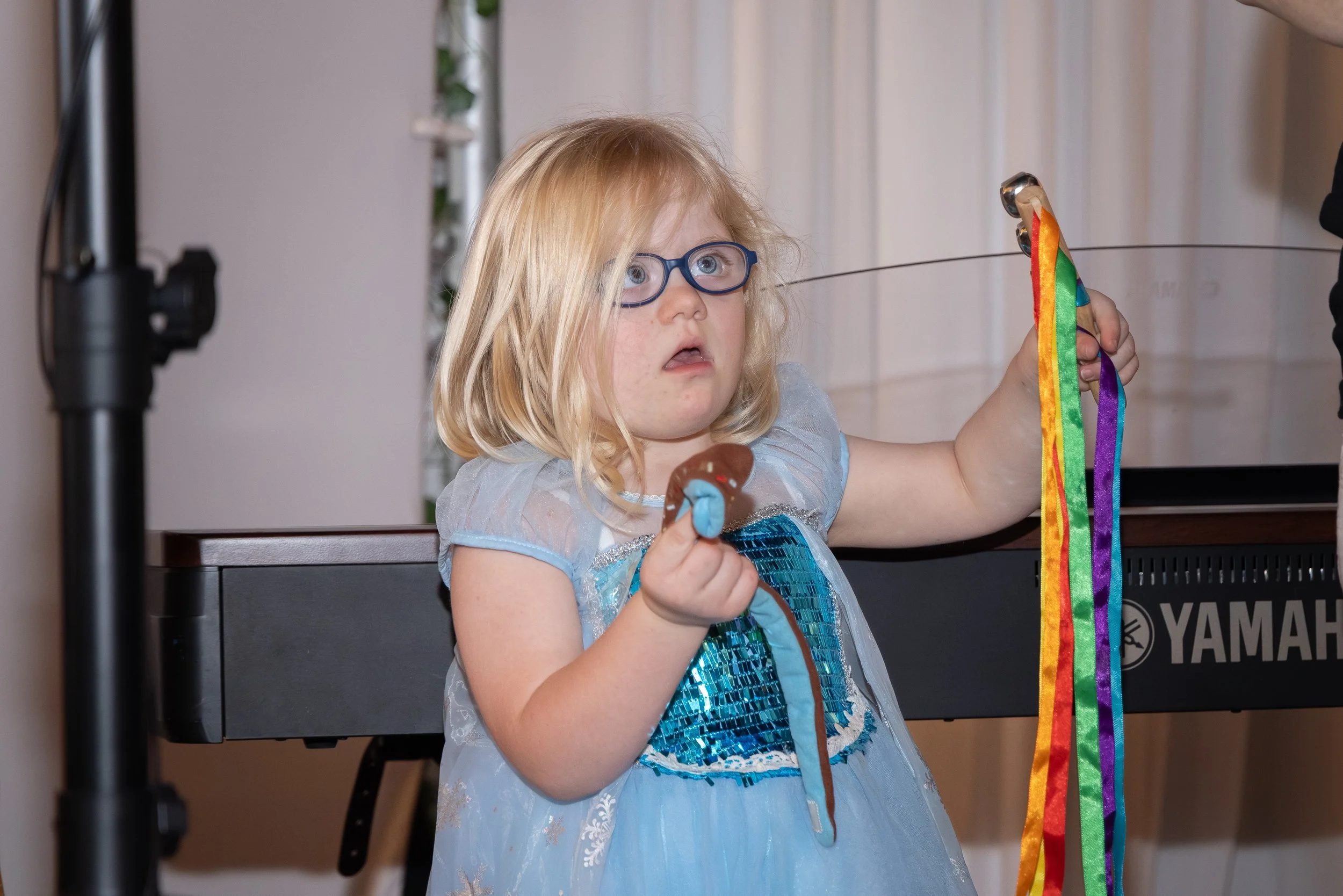
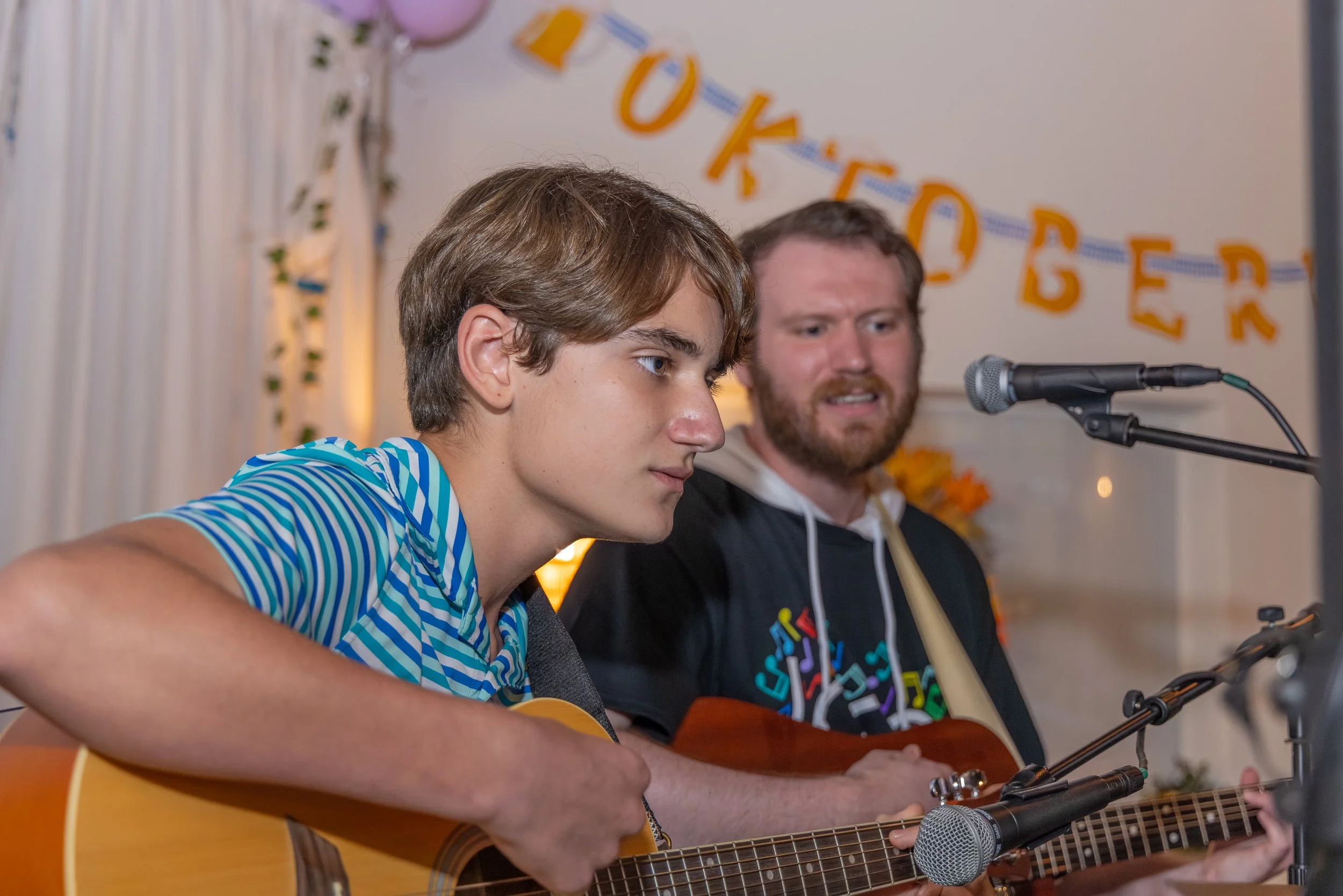
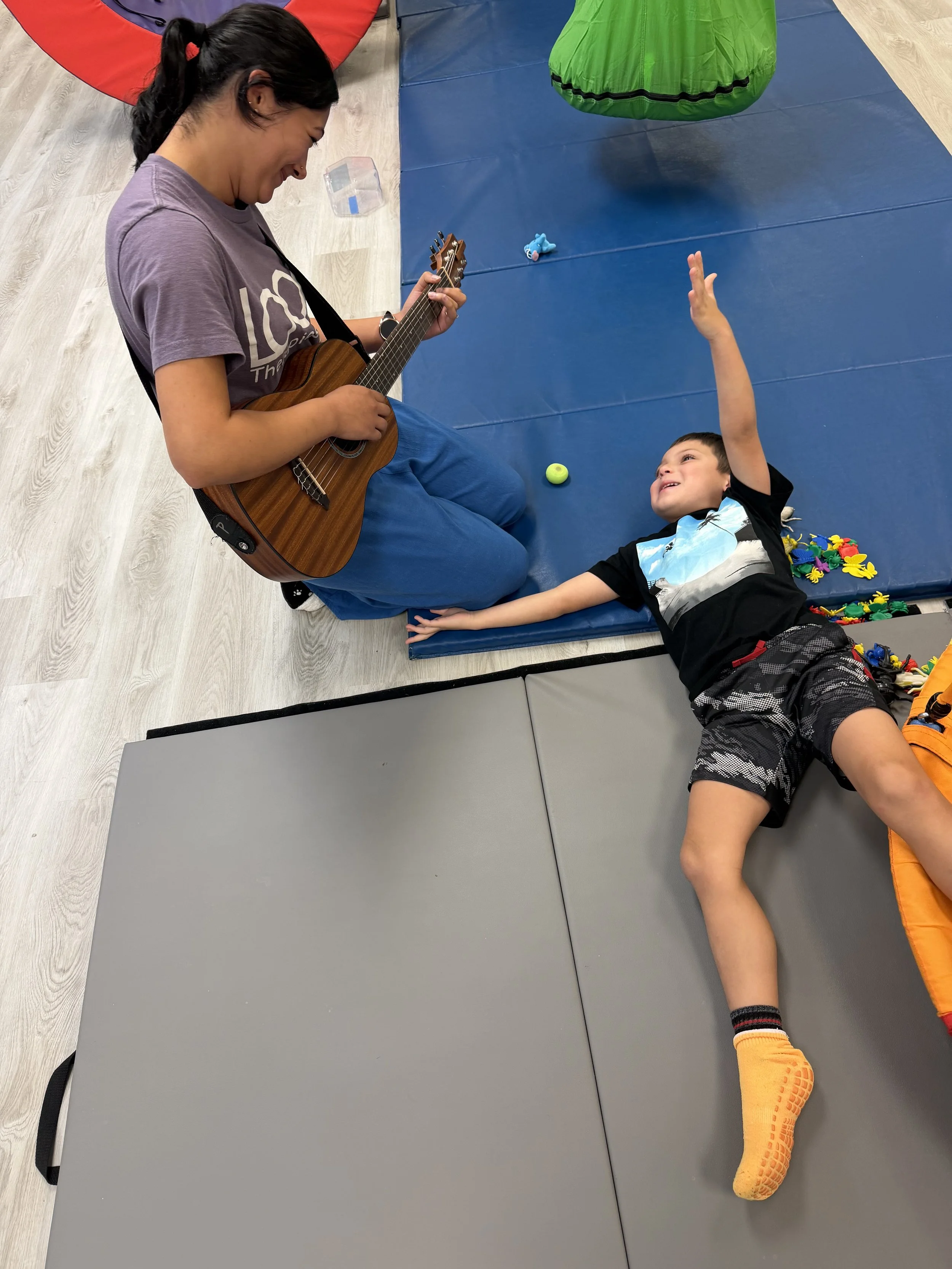
Music therapy can benefit any child or young adult who engages with music through listening, moving, playing, singing, or simply responding to it. No musical training or experience is required.
Families often seek music therapy for children who are:
Working on communication or language development
Struggling with emotional regulation or sensory processing
Minimally verbal or nonspeaking
Working on social engagement and connection
Navigating anxiety, emotional expression, or behavioral challenges
Autistic or have other developmental differences
You do not need a formal diagnosis to reach out.
Goals We Work Toward
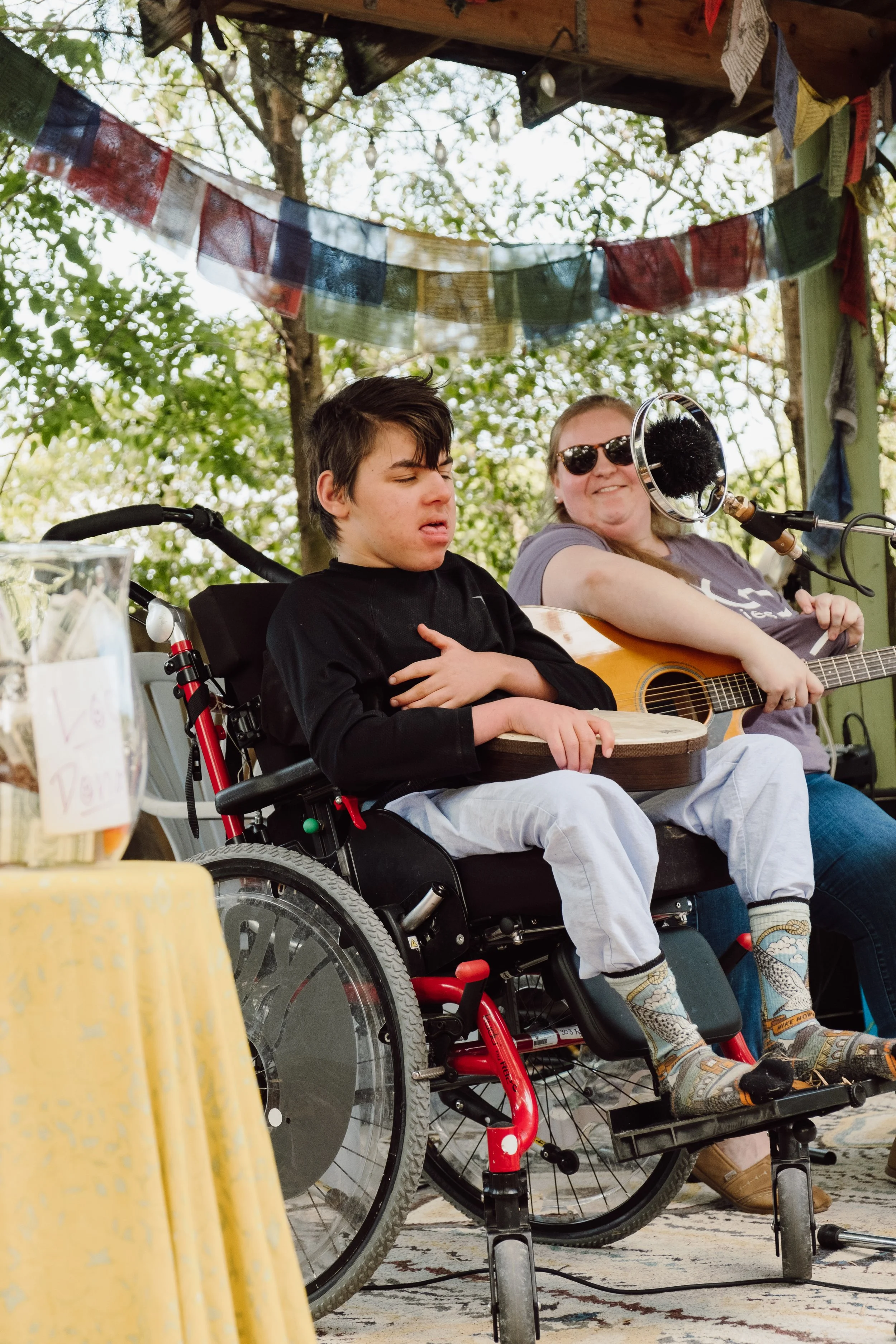
Music therapy at REConnections® DIR® Center can address a wide range of individualized goals, including:
Communication and language development
Emotional regulation and self-expression
Sensory integration and processing
Social engagement and connection
Motor coordination and movement
Problem-solving and cognitive skills
Self-advocacy and independence
Goals are set collaboratively, reviewed regularly, and tracked with data so that growth can be celebrated.
What Sessions Look Like

Every session is individualized because no two children are the same. Sessions are held at our Trinity clinic and may include:
Active music-making through singing, instrument play, and improvisation
Movement to music
Music listening and response
Songwriting and lyric exploration
Rhythm-based activities targeting communication or regulation goals
Our music therapists use the child’s preferred music as a cornerstone of the therapeutic relationship because a child who is engaged with music they love is a child who is ready to grow.
Neurologic Music Therapy
“Neurologic Music Therapy® is a standardized system of clinical techniques that use the functional perception of all properties of music to train and retrain brain and behavior function.”
-The Academy of Neurologic Music Therapy®
NMT® is grounded in the science of neuroplasticity — the brain's ability to change by strengthening and forming new neural connections. Research consistently shows that music engages more areas of the brain simultaneously than almost any other stimulus, and NMT® harnesses this through specific, targeted clinical techniques that address sensorimotor, speech and language, and cognitive goals.
Our NMT®-trained therapists use elements of music (rhythm, tempo, melody, and timbre) as precise clinical tools to support each client's individual developmental needs. NMT techniques are integrated into sessions alongside our DIRFloortime® approach. This allows us to meet each client's unique profile and goals within a single, cohesive therapeutic relationship.
Collaboration at
REConnections® DIR® Center
5 Services
1 Center
YOUR Team
REConnections® DIR® Center is built around a multidisciplinary model of care. Your child's Music Therapist works in close collaboration with our Speech-Language Pathologists, Occupational Therapists, Tutors, and DIR® Caregiver Coaching team — communicating regularly, sharing observations, and aligning around your child's individualized goals.
For families who access multiple services at REConnections, this means your child receives a cohesive, coordinated experience rather than a collection of disconnected appointments. The continuity between our services makes a meaningful difference in the quality and consistency of your child's progress.
More Of Our Services



REConnections DIR Center Intake Process
STEP ONE:
Start by reaching out to schedule a consultation.
STEP TWO:
Schedule an intake session for your child.
STEP THREE:
Our team will review and recommend a plan.
STEP FOUR:
You’ll receive a service recommendation